
Information for Travellers
Planning a journey to Bhutan is an exciting and rewarding process. The Kingdom operates differently from most destinations — tourism is carefully managed, entry requires advance planning, and the rewards for that preparation are extraordinary. This page covers everything you need to know before you travel.
As your tour operator, Mepham Expeditions handles all logistics within Bhutan. The information below is provided to help you prepare from your home country, and to set realistic expectations for the journey ahead.
Visa & Entry Requirements
The process is straightforward and is handled in advance through your tour operator.
How the Visa Process Works
Bhutan issues visas through a clearance letter system. Once your journey is confirmed and paid, Mepham Expeditions will submit your visa application on your behalf.
Upon approval, you will receive a Visa Clearance Letter by email, which must be presented at check-in for your flight to Paro.
The official visa stamp is then issued in your passport on arrival at Paro International Airport.
Visa fee
USD 40 per person (non-refundable), paid as part of your tour booking
Processing time
Typically 3–5 working days once
documents are submitted
Documents needed
Valid passport (minimum 6 months validity from date of arrival), passport photo
Entry point
All international flights enter through Paro International Airport
Visa validity
Issued for the duration of your confirmed itinerary
Mepham Expeditions manages the entire visa application process on your behalf. You will not need to contact Bhutanese immigration directly. Simply provide us with a clear scan of your passport and a digital passport photo when requested.
Independent Travel
Bhutan does not permit independent travel. All visitors must travel on a pre-arranged, fully guided itinerary through a licensed Bhutanese tour operator.
This policy is fundamental to Bhutan’s approach to sustainable, high-value tourism and ensures every guest receives expert local guidance throughout their journey.
Getting to Bhutan
Pilots navigate a narrow valley between 5,000-metre peaks, and landings are restricted to daylight hours and clear weather. It is an experience in itself.
Airlines
Two airlines operate international routes into Paro: Druk Air (the national carrier of Bhutan) and Bhutan Airlines. Both operate modern aircraft and maintain high safety standards.
Common routing points from which connections to Paro are available include Bangkok (Suvarnabhumi), Singapore (Changi), Delhi (Indira Gandhi), Mumbai (Chhatrapati Shivaji), Kathmandu (Tribhuvan), and Kolkata (Netaji Subhas Chandra Bose). From Singapore or Bangkok, the flight to Paro is typically around 4–5 hours with a connection.
Important Flight Notes
- Flights into Paro operate in daylight hours only and are subject to weather delays. This is a characteristic of the airport, not the airline.
- We strongly recommend allowing at least 24 hours of buffer time at your connecting hub in case of weather-related delays, particularly during monsoon season (June–September).
- Use fully flexible or open-jaw tickets where possible so airlines can rebook you on the next available flight without penalty.
- Passengers transiting through India may require an Indian transit visa if they need to leave the airport or stay overnight. Please check requirements for your nationality.
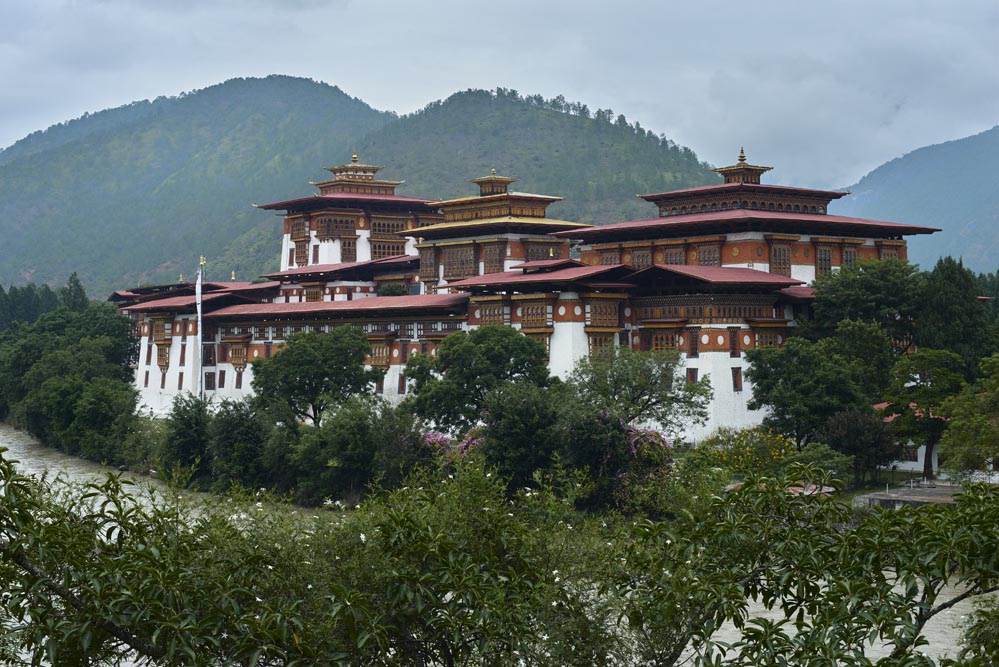
Mepham Expeditions will advise you on the best routing from your departure city and can recommend preferred booking approaches. We do not book international flights on your behalf, but we are happy to coordinate timing with your arrival.
Sustainable Development Fee (SDF)
The Sustainable Development Fee (SDF) is Bhutan’s daily tourism contribution, introduced to fund the Kingdom’s healthcare, education, and environmental conservation programmes. Rather than a tax, it is best understood as an investment in the country you are visiting
Current SDF Rate
| ITEM | DETAILS |
|---|---|
| Adult rate (age 13+) | Adult rate (age 13+) |
| Children (ages 6–12) | USD 50 per person, per night |
| Children under 6 | Exempt from SDF |
| Rate validity | USD 100 per night rate is confirmed until 31 August 2027 |
| Payment | Paid as part of your tour package — Mepham collects and remits on your behalf |
What the SDF Covers
The SDF contributes directly to Bhutan’s free healthcare and education systems, carbon-neutral infrastructure, and the preservation of its unique cultural and natural heritage. Bhutan is the world’s only carbon-negative country — your SDF actively supports that status.
The SDF does not cover your accommodation, meals, transport, guide services, or internal flights. These are all included in your Mepham journey package separately.
From 1 January 2026, a 5% GST applies to tourism services in Bhutan. This does not apply to the SDF or the USD 40 visa fee, which remain unchanged. Your Mepham journey quote will clearly set out all applicable costs.
Weather & Best Time to Visit
Bhutan is a year-round destination, but the experience varies significantly by season. The Kingdom spans an extraordinary range of elevations — from subtropical southern valleys to high Himalayan passes above 5,000 metres — which means weather can differ dramatically within a single day’s drive.
The Four Seasons
| Season | Months | Weather | Best for |
|---|---|---|---|
| Spring | March – May | Warm, dry, rhododendrons in bloom. 15–25°C in valleys. | Cultural visits, trekking, Paro Tshechu festival (Mar/Apr) |
| Summer | June – Aug | Monsoon season. Warm and lush, some afternoon rain. 20–30°C. | Quieter travel, greener landscapes, lower availability |
| Autumn | Sept – Nov | Crystal-clear skies, cool air, harvest season. 15–25°C. | Peak season — best visibility, Thimphu Tshechu (Sept), trekking |
| Winter | Dec – Feb | Cold at altitude, mild in lower valleys. -5 to 15°C. | Fewer crowds, clear skies, peaceful cultural visits |
Mepham’s Recommended Season
Mepham Expeditions runs its Wine & Culinary Journeys primarily in October, which coincides with Bhutan Wine Company’s harvest season. This is also one of Bhutan’s finest months for travel: crisp mountain air, cloudless skies over the Himalayas, golden rice fields at harvest, and the Thimphu Tshechu festival in late September. October is Bhutan’s single most popular travel month — we recommend booking at least 4–6 months in advance.
Spring (March–May) is our second recommended season, particularly for the Paro Tshechu festival and the spectacular rhododendron blooms across the valleys. Please ask us about journey availability in your preferred travel window.
What to Pack
Bhutan rewards those who pack thoughtfully. Conditions in the valleys are generally comfortable, but temperatures change quickly with altitude and after sunset.
The most important principle is layering — you may start a morning walk in a fleece and finish it in a t-shirt.
Clothing
- Lightweight, packable layers — a warm fleece or down jacket for mornings, evenings, and high-altitude sites
- Comfortable walking shoes with good grip for monastery visits and valley walks (trails can be uneven)
- Modest clothing for temple and dzong visits: shoulders and knees should be covered. A lightweight scarf or shawl is useful.
- Warmer layers if travelling October onwards — evenings cool quickly
- A light rain jacket (even in autumn, brief showers are possible)
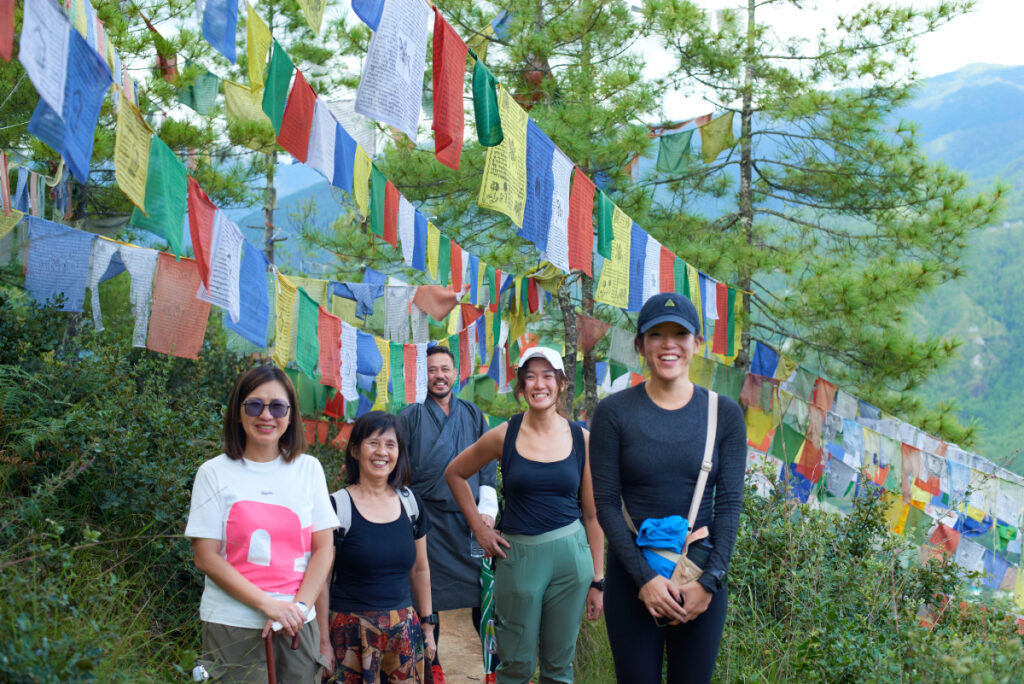
Health & Comfort
- High-SPF sunscreen — altitude intensifies UV exposure significantly
- Quality insect repellent (DEET-based recommended)
- Altitude sickness medication — discuss with your doctor before travel (see Health & Vaccinations section)
- Any prescription medications in sufficient quantity for the full trip, plus copies of prescriptions
- Hand sanitiser and basic first aid supplies
- Reusable water bottle — bottled water is available everywhere but reducing plastic is encouraged
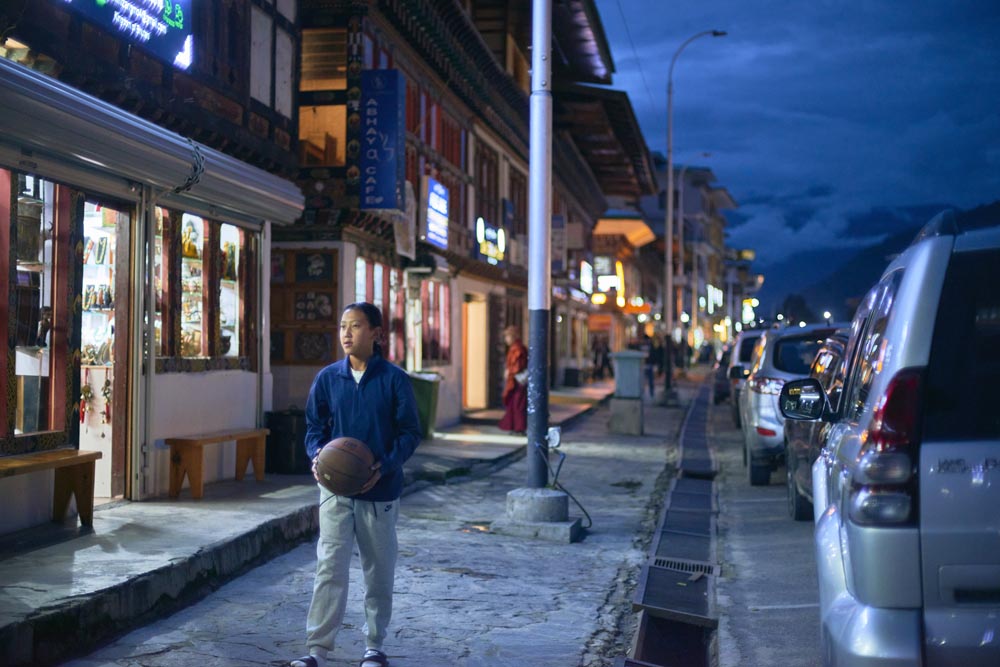
Practical Items
- Adapter plug: Bhutan uses Type D and Type G sockets (same as India and UK respectively). Power outages are rare but can occur in rural areas.
- Cash in USD or GBP — exchange to Ngultrum on arrival or at your hotel (see Currency section)
- A good camera or smartphone — photography opportunities are exceptional
- Binoculars if you have an interest in birdwatching — Bhutan is a world-class birding destination
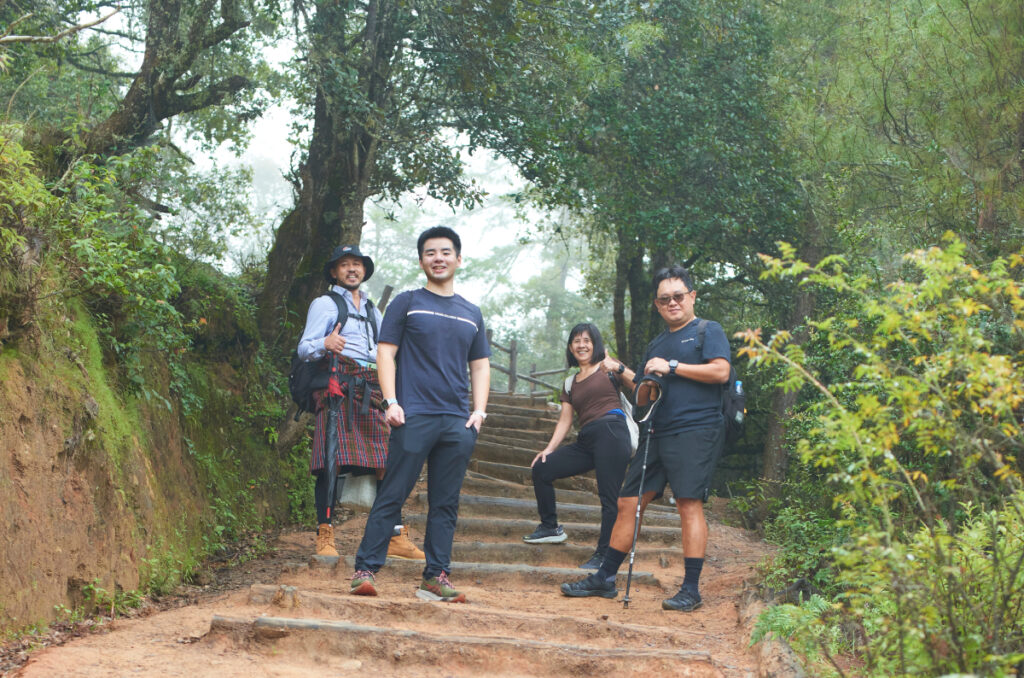
Mepham Expeditions will provide a detailed packing list tailored to your specific journey and travel season when your booking is confirmed.
Health & Vaccinations
Bhutan is a safe and well-managed destination, but as with any travel to South Asia, some health preparation is advisable. We recommend consulting a travel health clinic or your GP at least 6 weeks before your departure date.
Recommended Vaccinations
The following vaccinations are generally recommended for travel to Bhutan. Your doctor will advise based on your personal medical history and specific itinerary:
- Hepatitis A — recommended for most travellers
- Typhoid — recommended, particularly for those visiting rural areas or local restaurants
- Tetanus / Diphtheria / Polio (Td/IPV booster) — ensure these are up to date
- Hepatitis B — recommended for longer stays or those with planned medical procedures
- Rabies — pre-exposure vaccination is worth considering, particularly if trekking in rural areas
- Japanese Encephalitis — recommended for extended stays in southern lowland areas (risk period: June–December)
- Measles, Mumps & Rubella (MMR) — ensure you are fully vaccinated
Altitude Awareness
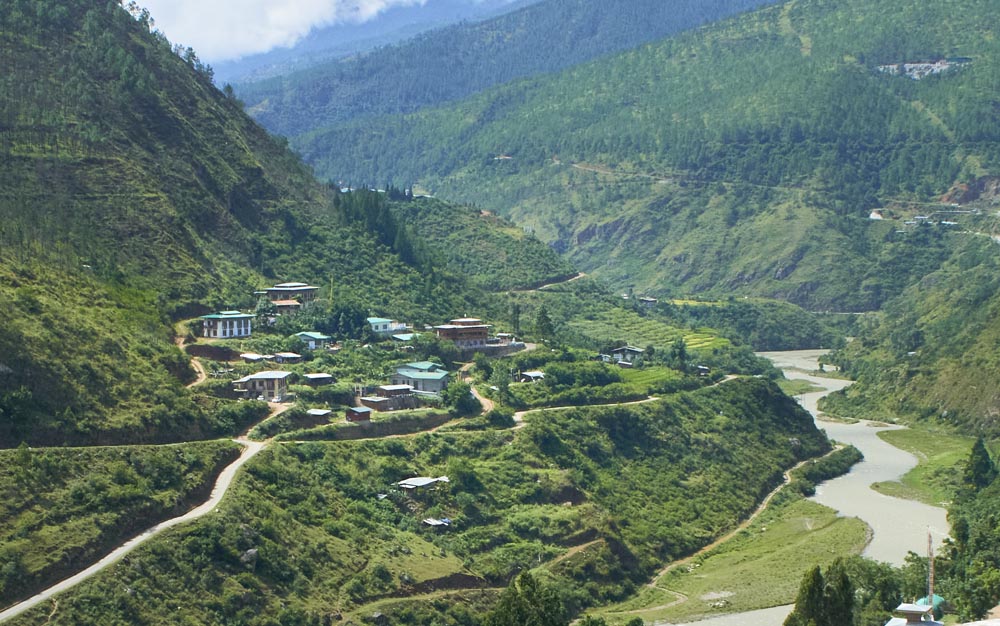
Paro sits at approximately 2,200 metres above sea level, and many popular sites — including Tiger’s Nest Monastery — are considerably higher. Altitude sickness can affect anyone, regardless of fitness level. Symptoms include headache, fatigue, and nausea.
- Allow your body time to acclimatise during the first day or two. Mepham itineraries are paced to allow this.
- Drink plenty of water and avoid alcohol on your first day.
- Ask your doctor about acetazolamide (Diamox) as a preventive option — available on prescription.
- Tiger’s Nest (3,120m) and any high-altitude trekking require particular care.
Medical Facilities
The Jigme Dorji Wangchuck National Referral Hospital in Thimphu is the country’s main facility and is reasonably well equipped for general treatment. Outside Thimphu, hospitals provide basic care only. Complex treatment requires evacuation to Bangkok or Delhi.
Food & Water
- Drink bottled or filtered water only. Avoid ice in drinks outside of your hotel.
- Bhutanese cuisine is heavily spiced — chilli is a staple ingredient, not a garnish. If you are sensitive to spice, inform your guide in advance.
- Your Mepham guide will advise on safe dining options throughout your journey.
Comprehensive travel insurance with medical evacuation cover is essential. Mepham Expeditions requires all guests to hold valid travel insurance for the full duration of their journey. Please ensure your policy covers high-altitude activities if trekking is part of your itinerary.
Currency & Payment
Bhutan’s currency is the Ngultrum (BTN), which is pegged at parity to the Indian Rupee. Both currencies are accepted interchangeably across the country, though Indian Rupee notes above INR 100 are generally not accepted by merchants.
Key Currency Facts
| ITEM | DETAILS |
|---|---|
| Currency | Ngultrum (BTN) — pegged 1:1 to Indian Rupee (INR) |
| Best exchange | USD, GBP, and EUR exchange easily at Paro Airport, banks, and major hotels |
| ATMs | Available in Thimphu and Paro. Limited elsewhere — do not rely on them outside cities |
| Credit cards | Accepted at larger hotels and some shops, but system outages are common. Always carry cash. |
| Recommended cash | USD 100–150 per person in small denominations for tips, markets, and local purchases |
| Your journey costs | All tour costs, accommodation, and meals are pre-paid. Cash is for personal spending only. |
Tipping
Tipping is appreciated and plays an important role in the livelihoods of guides and drivers. As a general guide:
- Private guide: USD 15–25 per day, per group
- Driver: USD 8–12 per day, per group
- Hotel staff: USD 1–3 per service, at your discretion
Mepham Expeditions will provide specific guidance on tipping etiquette as part of your pre-departure information.
Your Mepham journey package is fully pre-paid and inclusive of accommodation, meals, guide services, transport, and entrance fees within Bhutan. Cash spending is personal only — souvenirs, books, tips, and any personal extras.
Cultural Etiquette
Bhutan is a deeply spiritual country, and awareness of local customs will enrich your experience and earn the respect of the communities you visit. Your Bhutanese guide will advise you in the moment — but a few principles are worth knowing in advance.
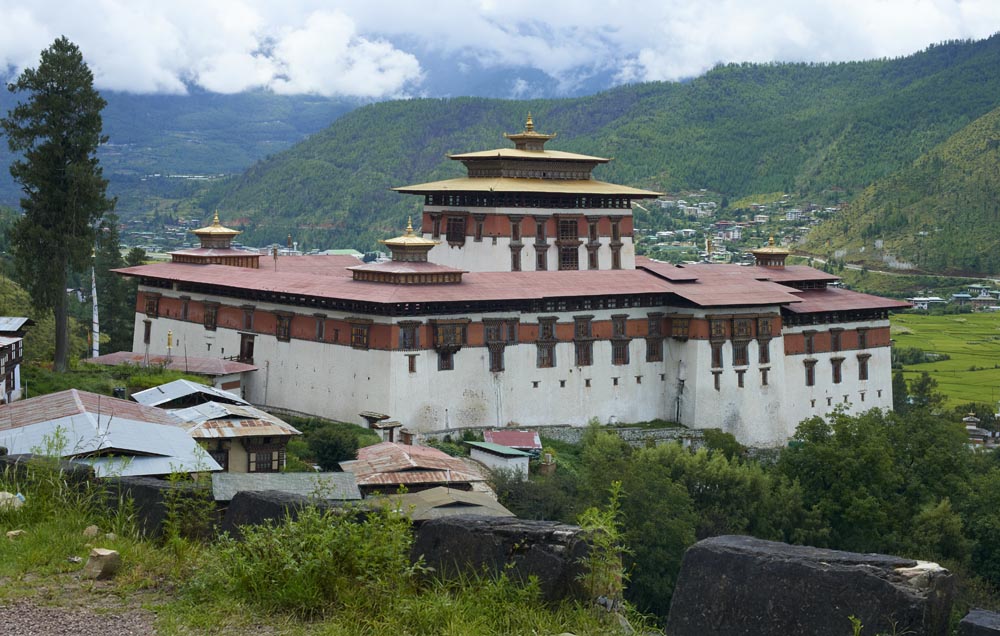
At Temples, Dzongs & Monasteries
- Always remove your shoes before entering a monastery or temple. A sock with good grip is useful.
- Step over — never on — the threshold at entrances to temples and dzongs. This applies to wooden door frames as well.
- Walk clockwise around stupas (chortens), prayer wheels, and monastery courtyards.
- Dress modestly: shoulders and knees covered. A lightweight scarf or jacket is sufficient. Some sites provide kiras (traditional wraps) at the entrance.
- Photography inside the main prayer halls is often restricted. Always ask your guide before taking photos.
- Speak quietly. Monasteries are active places of worship, not museums.
In Communities & Daily Life
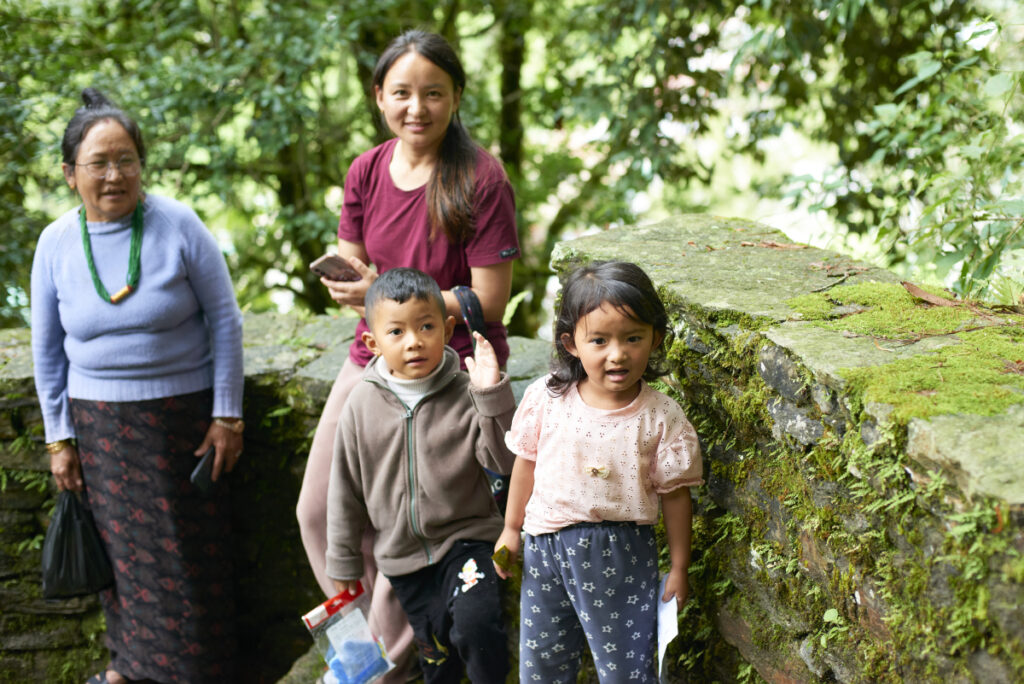
- Bhutanese people are generally warm, curious, and welcoming. A simple “Kuzuzangpola” (Good day / hello) is always appreciated.
- Ask before photographing local people, particularly monks and elderly residents.
- Smoking is illegal in public places in Bhutan. The sale of tobacco is also prohibited. Imported tobacco for personal use is subject to a 200% customs duty — keep your receipt.
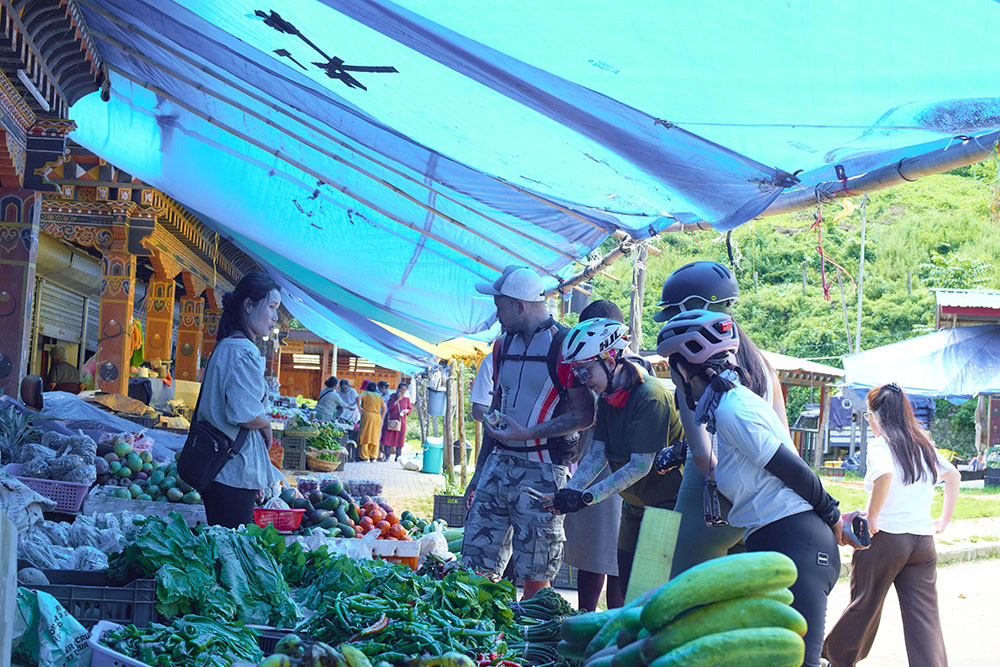
- Plastic bags are banned. Pack reusable bags if you plan to shop in markets.
- Bhutan has strict wildlife protection laws. Do not purchase animal products or anything made from endangered species.
At Festivals (Tshechus)
Attending a tshechu — a traditional masked dance festival — is one of Bhutan’s most remarkable cultural experiences. These are religious events, not tourist performances.
- Photography is generally welcome in the courtyard during mask dances. Flash photography and photographing inside the dzong itself may be restricted.
- Dress traditionally or modestly — traditional Bhutanese dress is encouraged and deeply appreciated.
- Arrive early to find a good position. Festivals begin at dawn and the most important dances often happen in the morning.
- Your Mepham guide will explain the meaning behind each dance and ceremony throughout the day.
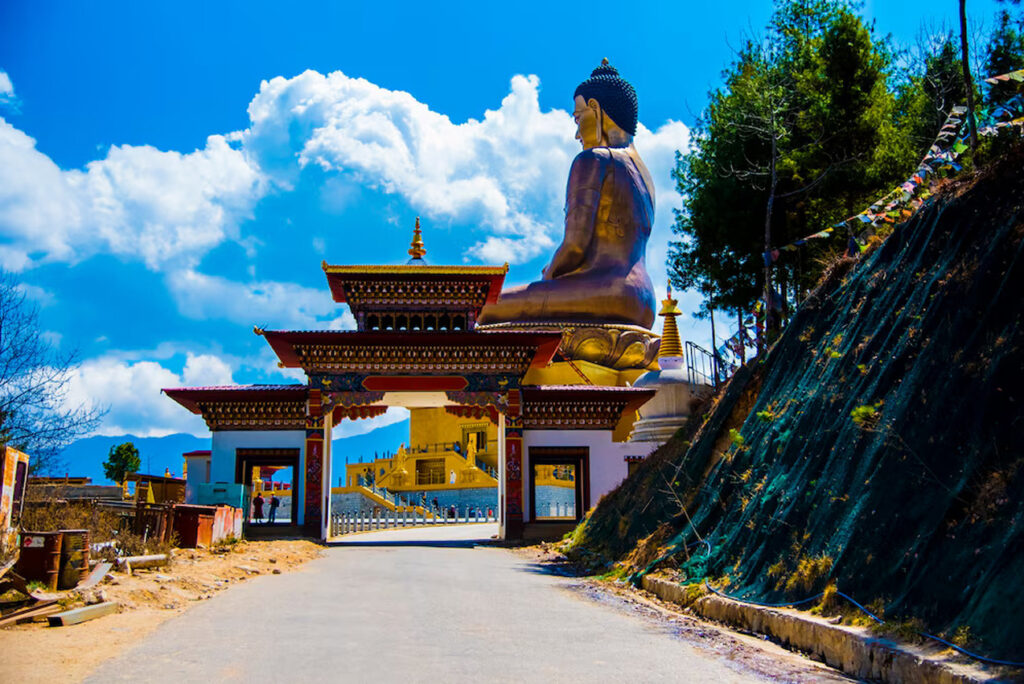
Cultural guidance is woven throughout every Mepham journey. Your Bhutanese guide will always brief you before entering a site and will be on hand to answer any questions. No prior cultural knowledge is required — curiosity and respect are all that is needed.